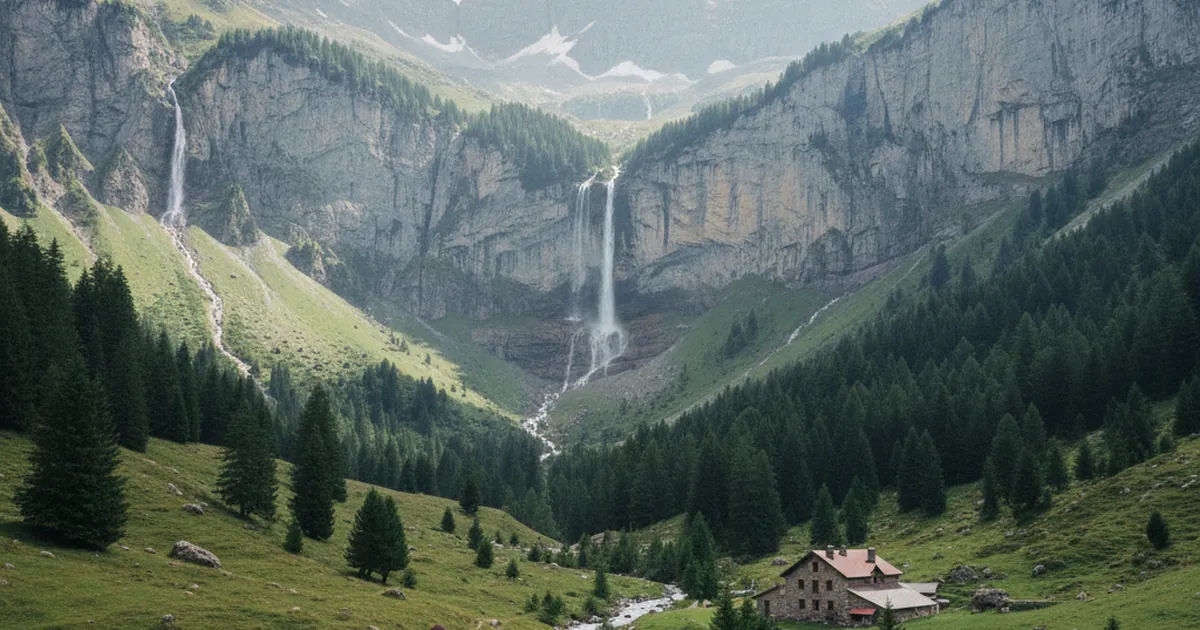
Sixt-Fer-à-Cheval sits at the far end of the Giffre valley, roughly twenty kilometres upstream from Samoëns. Rocky walls rise on all sides, the Giffre torrent cuts through the valley floor, and most of the surrounding land falls within the Sixt-Passy national nature reserve. This is not a typical Alpine village: it is one of the most dramatic natural settings in all of Haute-Savoie, and one of the most rewarding hiking destinations in the Giffre valley.
A Protected Nature Reserve Since 1977
The Sixt-Passy national nature reserve is among the largest in France. It covers a vast expanse of forest, mountain pasture and limestone cliffs. Created in 1977, the reserve protects rare habitats and exceptional alpine flora. When you hike here, you pass through territory where chamois, marmots and golden eagles go largely undisturbed. That is also why the area has deliberately been kept low-key: no ski lifts, no mass tourism development. You feel the difference with every step.
The Cirque du Fer-à-Cheval
The Cirque du Fer-à-Cheval is the centrepiece of Sixt-Fer-à-Cheval. This glacier-carved bowl forms a natural amphitheatre several kilometres across, ringed by sheer cliffs that rise more than a thousand metres from the valley floor. In spring and early summer, dozens of waterfalls tumble down these walls, fed by snowmelt from above. The effect is breathtaking: water cascades from every direction, the slopes turn vivid green, and the floor of the cirque opens into bright meadows.
A road follows the Giffre up from the village to a car park at the end. From there, a gentle discovery trail asks nothing of you physically. This is usually the first stop for visitors before they consider more demanding outings.
Waterfalls: The Area's Calling Card
Sixt is famous for the number and quality of its waterfalls. The Cascade du Rouget is probably the best-known in the region: it falls in two stages, forming an impressive curtain of water that you can reach in under an hour from the road. The best conditions run from May through July, when snowmelt keeps flows at their peak.
Closer to the village, the Gorges des Tines offer a much gentler introduction. The Gorges des Tines trail, a 2 km loop taking under 45 minutes, follows these limestone gorges without any real effort. A perfect first outing on local terrain or a walk with young children.
Hikes for Every Level
Sixt-Fer-à-Cheval covers a remarkably wide range of hiking options, from a gentle stroll to a full mountaineering day.
- Beginner or family level: the Gorges des Tines trail (2 km, 40 minutes, very easy) and the walk to the floor of the cirque.
- Intermediate level: several loops cross the high pastures above the village, with sweeping views down into the cirque and across the surrounding walls.
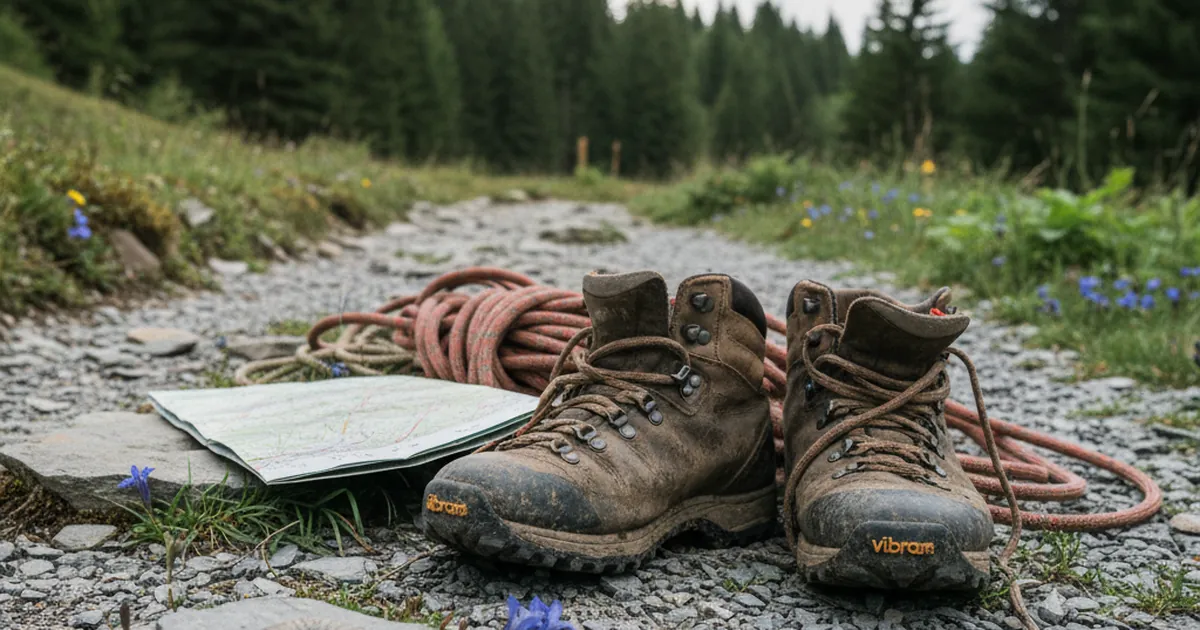
- Demanding level: the Praz de Commune from Sixt covers 12.86 km with 959 m of ascent, reaching 1,672 m. Rated hard, it takes around 4h10 and requires solid fitness. Key waypoints include La Frasse, le Penté Rocher and the high pastures of Commune.
For very experienced hikers, ridge routes push above 2,400 m and open up long views across the reserve. These outings demand proper preparation, real mountain experience and a reliable weather window.
Planning Your Visit
Sixt-Fer-à-Cheval gets busy, especially in July and August. A few practical points to help the day run smoothly:
- Start early: before 8:30 am in summer you avoid the traffic on the cirque road and find parking without difficulty.
- Layer up: even in midsummer, valley floors stay cool in the morning and ridgelines can be windy.
- Check conditions: after heavy rain, paths near the waterfalls become slippery. Always check the local forecast before setting off.
- Bring food: there are eating options in the village and at the cirque, but on longer routes you will find nothing. Plan your provisions accordingly.
Getting There
From Samoëns, the D907 road follows the Giffre upstream to Sixt-Fer-à-Cheval. It stays open year-round as far as the village, with the extension to the cirque open in season. Public transport connections exist from Cluses and from Taninges depending on the time of year: check schedules in advance as services are infrequent.
Sixt-Fer-à-Cheval delivers on every front: spectacular scenery, protected natural heritage and hiking routes covering every level from family walk to expert. If you have never been, it belongs on your list. If you have visited before, there are almost certainly trails here you have not yet tried.